Strategic HVAC Decisions for Homes and Workplaces Through the Seasons
Planning an HVAC strategy starts with mapping how your space behaves across seasons. Assess sun exposure, occupancy peaks, and typical door traffic, then pair those observations with load calculations from a qualified pro. In practice, this baseline helps right-size equipment and avoid short-cycling or sluggish recovery. Document your comfort goals, noise tolerance, and filtration needs so the scope can reflect both livability and energy priorities.
Meanwhile, airflow pathways deserve early attention. Verify that return and supply locations support full-room circulation and that furniture or shelving won’t block registers. Beyond that, inspect duct integrity, confirm insulation levels, and validate static pressure assumptions. Small leaks or undersized runs can undermine even the best system. A thorough duct review often uncovers quick wins that strengthen performance before any equipment upgrades.
Next, consider installation sequencing and access. Stage clear work zones, protect finishes, and define a path for removing old units without damaging floors or walls. Then buffer the schedule for electrical and condensate refinements, plus any curb or pad adjustments. Clarify handoff steps like thermostat setup, filter sizing, and breaker labeling so the final walkthrough is smooth and punch-list items are minimal.
Often, owners weigh repair versus replacement under time pressure. Scope the age, refrigerant type, and service history of existing units, then align decisions with lifecycle expectations. Heat Pump Installation may suit mixed climates seeking efficient heating and cooling, while targeted AC Installation and Repair can extend the life of newer condensers. A clear cost horizon helps prevent piecemeal fixes that snowball across peak seasons.
However, indoor air quality planning should not be an afterthought. Validate filter MERV targets against fan capacity to avoid starving airflow. Indoor Air Quality Service can include humidity management, purification, and ventilation checks that refine comfort beyond temperature. Calibrate these elements to local climate swings, and document replacement intervals so maintenance stays predictable and filters don’t become surprise bottlenecks.
Beyond that, controls merit careful selection. Thermostat Installation is more than a wall plate; it’s about zoning logic, setback strategies, and sensor placement. Place sensors away from sunlight and drafts, and sequence heat and cool setpoints to prevent system overlap. Finally, verify Wi‑Fi stability and permission levels so schedules aren’t accidentally overridden and data trends remain available for tuning.
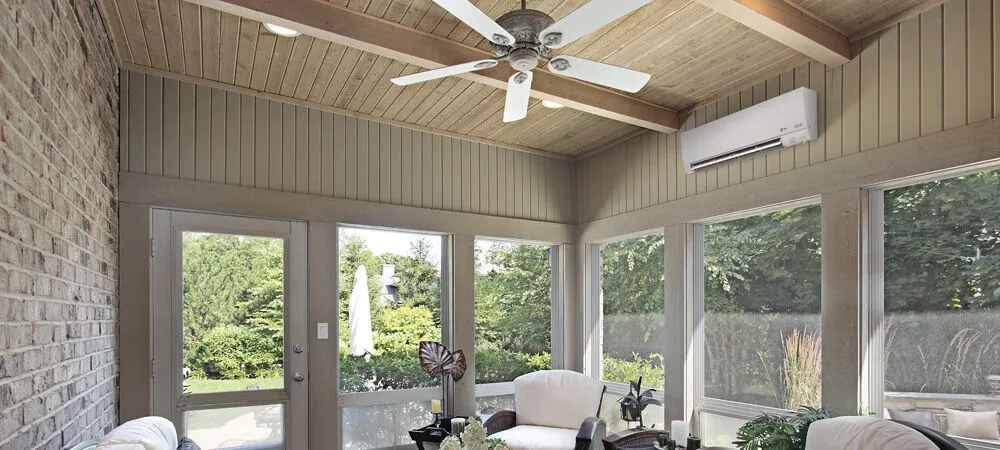
For compact or older structures, equipment form factor can be decisive. Ductless AC Installation offers flexible zoning where duct routing is impractical, reducing demolition and patch work. Validate wall and line-set paths, and plan condensate routing to avoid nuisance drips. In multi-room layouts, stage heads to address distinct heat loads, and refine fan settings until noise and airflow feel balanced during daily use.
On the commercial side, refrigeration and comfort loads often intertwine. Commercial Refrigeration can add heat to back-of-house areas, so ventilation strategies and condenser locations influence overall efficiency. Sequence maintenance windows around inventory needs, and maintain clear documentation for defrost cycles and temperature alarms. A shared service plan can streamline response time when both cooling and refrigeration require attention simultaneously.
Budgeting benefits from a lifecycle lens. Inspect utility rates, available rebates, and the projected run hours for each zone, then validate payback assumptions against realistic usage. Phase upgrades where possible, starting with envelope fixes and controls, followed by mechanical replacements. Maintain a log of filter changes, coil cleanings, and refrigerant checks so warranties remain intact and performance drift is caught early.
Finally, plan for seasonal reliability. Before major weather shifts, verify condensate drains, test heat strips or gas ignition, and confirm safety shutoffs. Maintain spare filters and belts, and document emergency contacts and breaker maps. With a measured approach to scoping, staging, and follow-ups, your HVAC system can deliver stable comfort while minimizing surprises, downtime, and unplanned expenses over the long haul.